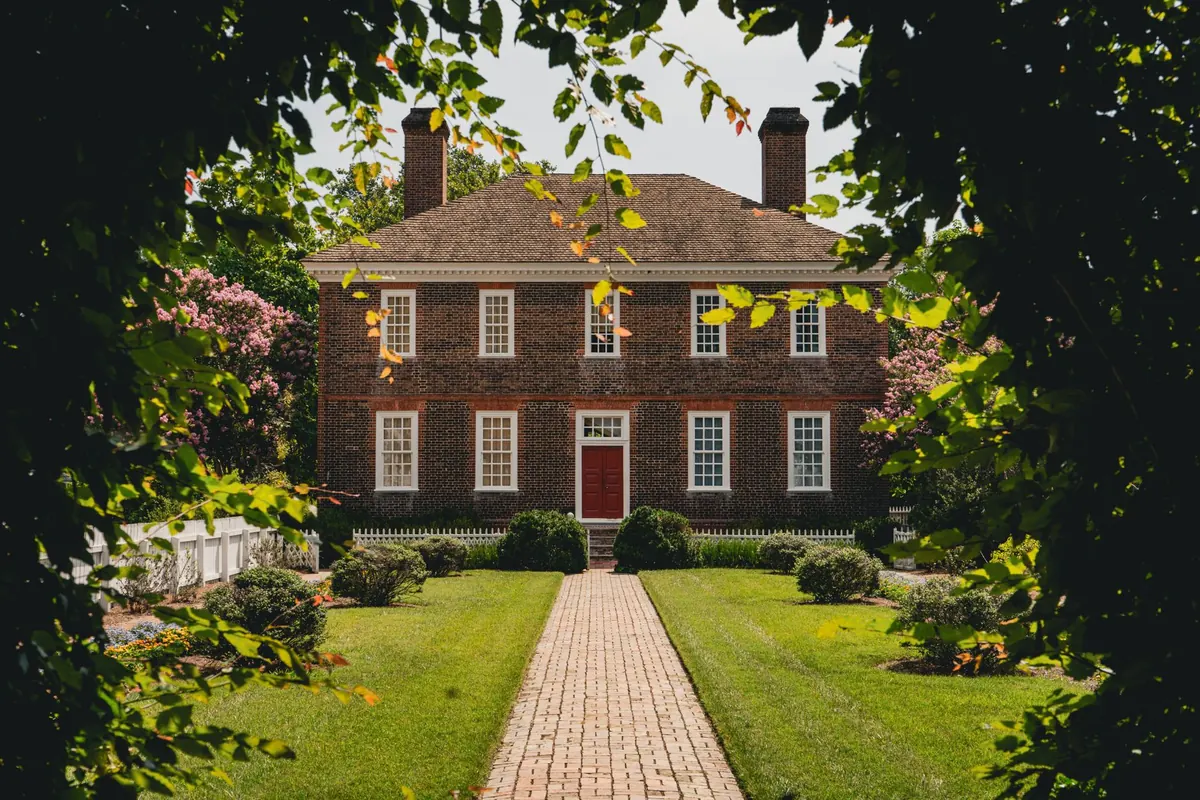
When to Visit Bibury, Castle Combe and Bourton-on-the-Water: A Crowd-Avoidance Calendar
October 10, 2026 - Villages
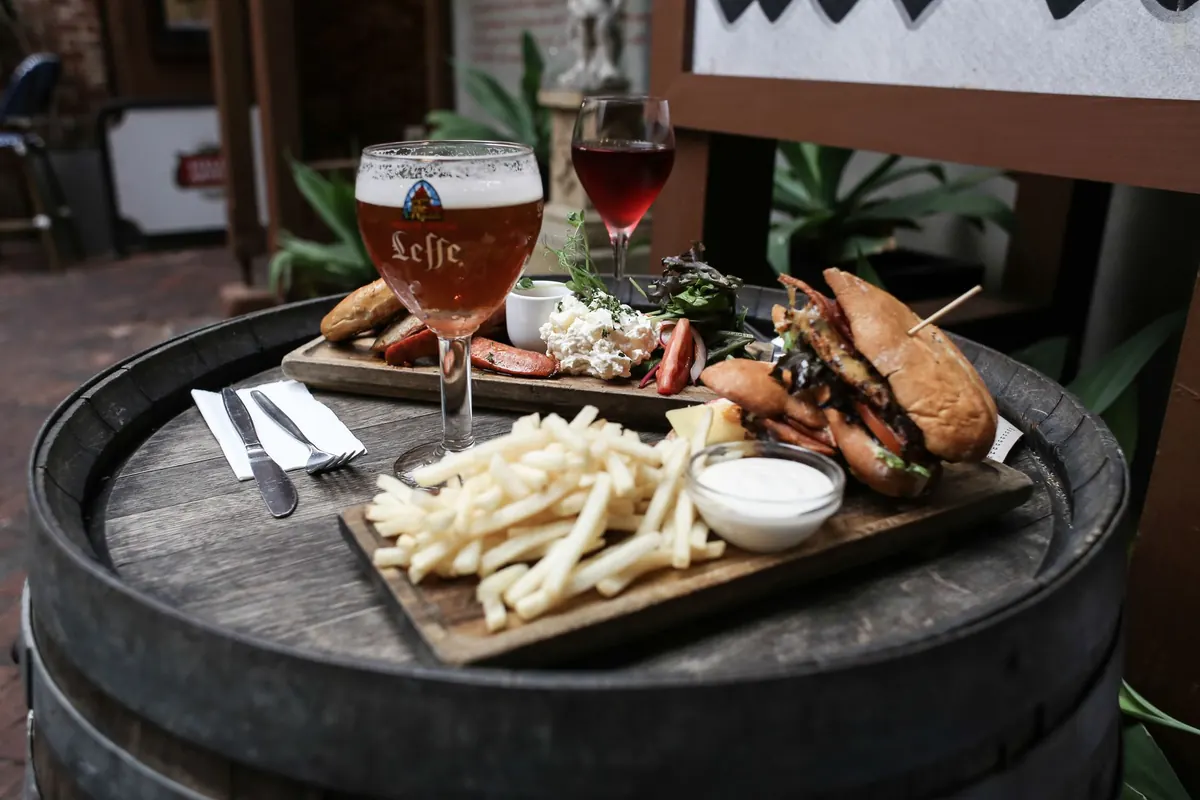
The Cotswolds does many things well, but the pub lunch may be the region's finest invention. Nowhere else do you get a low-beamed room, a pint brewed ten miles away and a plate of roast beef quite so comfortably combined. It is also surprisingly easy to get wrong. Plenty of handsome stone buildings serve food that has been reheated rather than cooked, and charge handsomely for the privilege.
The difference between a good pub lunch and a forgettable one rarely comes down to price or prettiness. It comes down to a handful of decisions made by the people running the place: what they buy, how they cook it, how they seat you and when they let the kitchen rest. Here is what to look for before you book, and what to notice once you are sitting down.
A confident pub names its suppliers. You will see chalkboards mentioning the farm, the breed, the county: Cotswold lamb, Gloucester Old Spot pork, Single Gloucester cheese, trout from a nearby river. That is not decoration. It tells you the kitchen is buying with intent rather than ordering from a wholesaler's list.
When a menu says only that ingredients are "locally sourced where possible", ask a direct question. Which bakery makes the bread? Whose eggs are these? Who churns the butter? Staff should be able to answer without disappearing to the kitchen. A shrug is an answer too.
Seasonality is the other giveaway. Asparagus in May, game from autumn, wild garlic in spring, and a board of British cheeses that changes now and then. A menu frozen in time usually means a freezer doing the work.
Count the mains. A dozen is generous. Twenty-five, spanning pad thai, curry and a roast, is a warning. A short menu means the kitchen is cooking to order, using ingredients across several dishes: Sunday's beef reappears as Monday's sandwich, fish trim becomes a fishcake, the roast chicken bones become the stock.
Look for dishes that share components and for specials that genuinely change between visits. If the specials board has said the same thing since your last trip, it is not a special.
The roast is the exam paper. Everything a pub believes about cooking shows up on that plate.
If the roast is only served until mid-afternoon, that is worth knowing before you set out. Many kitchens do a single sitting of roasts and stop when the meat runs out.
Where you sit changes the meal. Some pubs serve the full menu outside; others run a reduced terrace menu from a separate kitchen, which is a different lunch altogether. Ask before you book the garden.
Cotswold gardens are often small, walled and shaded by the building itself from mid-afternoon. If you want sun at four o'clock, ask which side of the pub the table is on. If you want shade in July, say so. Worth checking too: whether the garden sits beside a road, whether dogs are welcome in the dining room or only in the bar, and whether children have space to move without annoying other tables.
In winter, ask for the snug or a table near the fire, and be specific about which table rather than accepting "anywhere". Outside tables can also be forgotten when the pub fills up. A quiet word at the bar after twenty minutes is entirely fair.
Someone should check back soon after the first mouthful, not halfway through, and not never. Water should appear without being requested. The bill should arrive when you look up for it, not the moment you put your fork down, and not twenty minutes later.
On drinks, a short, well-kept list beats ten taps of tired beer. Ask for a taster before committing. A house white that is thin and cold is a small failure that colours the whole meal, and a decent glass of something local — cider from an orchard down the road, a gin from a county distillery — does more for a lunch than an elaborate cocktail list.
Pace matters most of all. A good pub lunch should feel unhurried without being neglected, and that balance is a matter of staffing, not luck.
Named suppliers, a menu you could read in a minute, a roast carved to order, a table chosen rather than allocated, and a booking made early enough to avoid the crush. Get those right and you have found somewhere worth returning to.
Keep a note of the places that pass. In the Cotswolds, the reliable pub is a genuine asset: somewhere for a wet Wednesday, a birthday, or a long walk that ends with gravy. When you find one, book the next visit before you leave. That is how a good pub lunch becomes a habit.
Photo: Rachel Claire / Pexels
A month-by-month, day-by-day guide to seeing Bibury, Castle Combe and Bourton-on-the-Water before the coaches arrive...
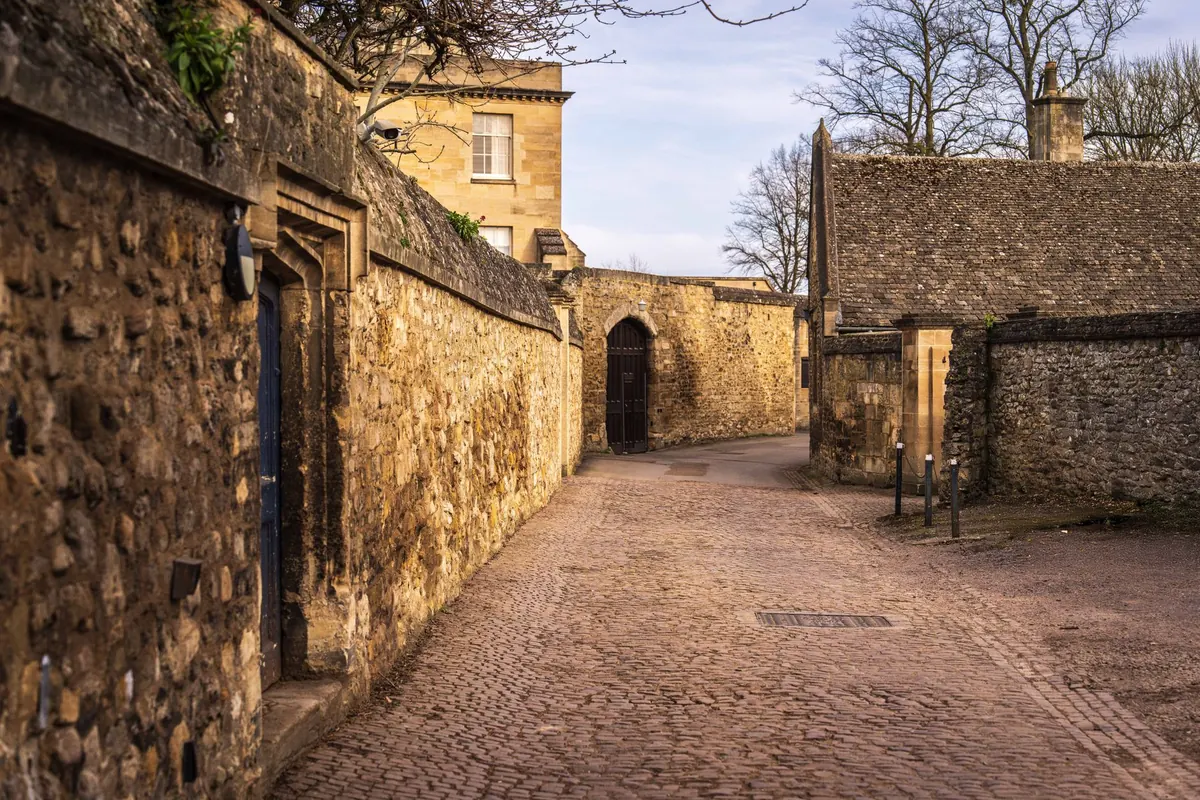
Northern, central or southern Cotswolds? A practical comparison of the three village clusters, with honest advice on...
Copyright © 2026 Noble Cotswold. All Right Reserved.