When to Visit Bibury, Castle Combe and Bourton-on-the-Water: A Crowd-Avoidance Calendar
October 10, 2026 - Villages
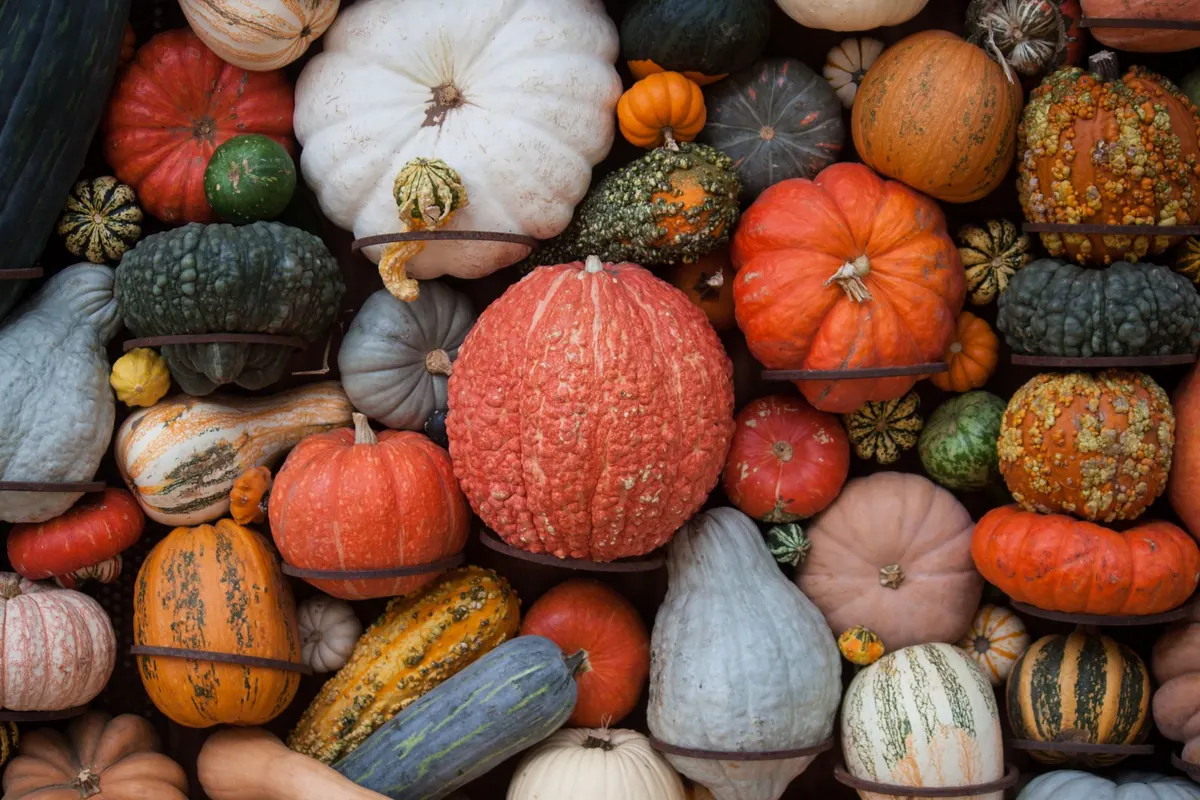
Autumn in the Cotswolds arrives quietly: mist sitting in the valleys at first light, cobnuts fattening in the hedges, the first woodsmoke drifting from a farmhouse chimney. By the time the beech woods turn, the cooking has changed with them. Eating seasonally here is not a badge of virtue — it is what the fields, orchards, rivers and shoots give you, month by month. Here is what is genuinely at its best from September to February, and how to make the most of it.
September belongs to the hedgerows and the old orchards. Apples come in thick and fast — Egremont Russet, Blenheim Orange, Ashmead's Kernel — along with pears, damsons, blackberries and the first cobnuts. If you have a tree, pick with the stalk intact and lay the fruit in single layers in trays somewhere cool and dark; it will keep for weeks. Windfalls go into jelly, chutney or a rough apple cake the same day.
Game starts properly now. Partridge comes into season on 1 September, and a young bird roasted with bacon and thyme is hard to beat. Look for dry, unblemished skin and a fresh smell, and ask how long it has been hung — hang time is a matter of taste, not a test you can pass.
October is the month the season changes gear. Pheasant arrives on 1 October, venison and wild duck are on menus, and woodcock joins the game list. Squash and pumpkins come in from the fields, quince and medlars ripen on a windowsill, and walnuts and sweet chestnuts are ready to gather.
Sloes, best after the first cold snap, go into gin with sugar — the bottle you make now is for next winter, not this one. Quinces cooked slowly with sugar and a vanilla pod turn from hard and pale to deep pink, and make a paste that is superb with cheese.
Wild mushrooms are the quiet pleasure of the month and the one to treat with care. Never eat a mushroom you cannot identify with absolute certainty, pick only where you have permission, and check the rules on common land and nature reserves before you set off. If in doubt, buy from a market stall instead.
By November the root cellar takes over. Celeriac, parsnips, swedes, carrots, leeks and Jerusalem artichokes are at their sweetest, and so are the brassicas: cavolo nero, savoy cabbage and the first purple sprouting broccoli. Chestnuts appear on the market stalls.
This is the month for long lunches. Dusk comes early, a table by the window at one o'clock is the best seat in the house, and the cooking suits it: potted game, a haunch of venison, roast parsnips with honey, celeriac remoulade sharp with mustard, a wedge of Double Gloucester. Gloucestershire Old Spot pork is superb now — slow-roast the shoulder until it collapses.
Two practical notes. Parboil and shake root vegetables before roasting so they crisp properly. And keep celeriac, swedes and squash in a cool, dark, frost-free place rather than the fridge, where they last far longer.
Festive menus dominate, and for good reason. The birds that were in the fields in October are the centrepiece now: free-range turkey, goose or capon, or a rib of beef hung for several weeks. Oysters are back, cheese boards are at their best, and mincemeat, quince paste and chutneys use up everything the autumn gave you.
Book early. Christmas Day lunch in a country dining room is often gone by early November, and the weekend before Christmas sooner still. If you are cooking at home, the same rule applies to ordering.
January is quieter cooking, and better for it. Seville oranges arrive mid-month and stay for only a few weeks, so buy them by the box if you make marmalade and do not delay. Forced rhubarb, grown in darkened sheds, appears at the end of the month; roast it briefly with orange zest rather than stewing it to a pulp. Purple sprouting broccoli is at its peak, leeks and winter greens are plentiful, and blood oranges turn up from the Mediterranean.
After a month of rich food, the instinct is to cook lighter. Braised chicory, roast fish with lemon and fennel, a soup of celeriac and apple — none of it feels penitential. Mussels and other shellfish are traditionally at their best in the colder months, and a bowl of them with bread and cider is a fine January
Photo: Jacqueline Smith / Pexels

A month-by-month, day-by-day guide to seeing Bibury, Castle Combe and Bourton-on-the-Water before the coaches arrive...

Northern, central or southern Cotswolds? A practical comparison of the three village clusters, with honest advice on...
Copyright © 2026 Noble Cotswold. All Right Reserved.