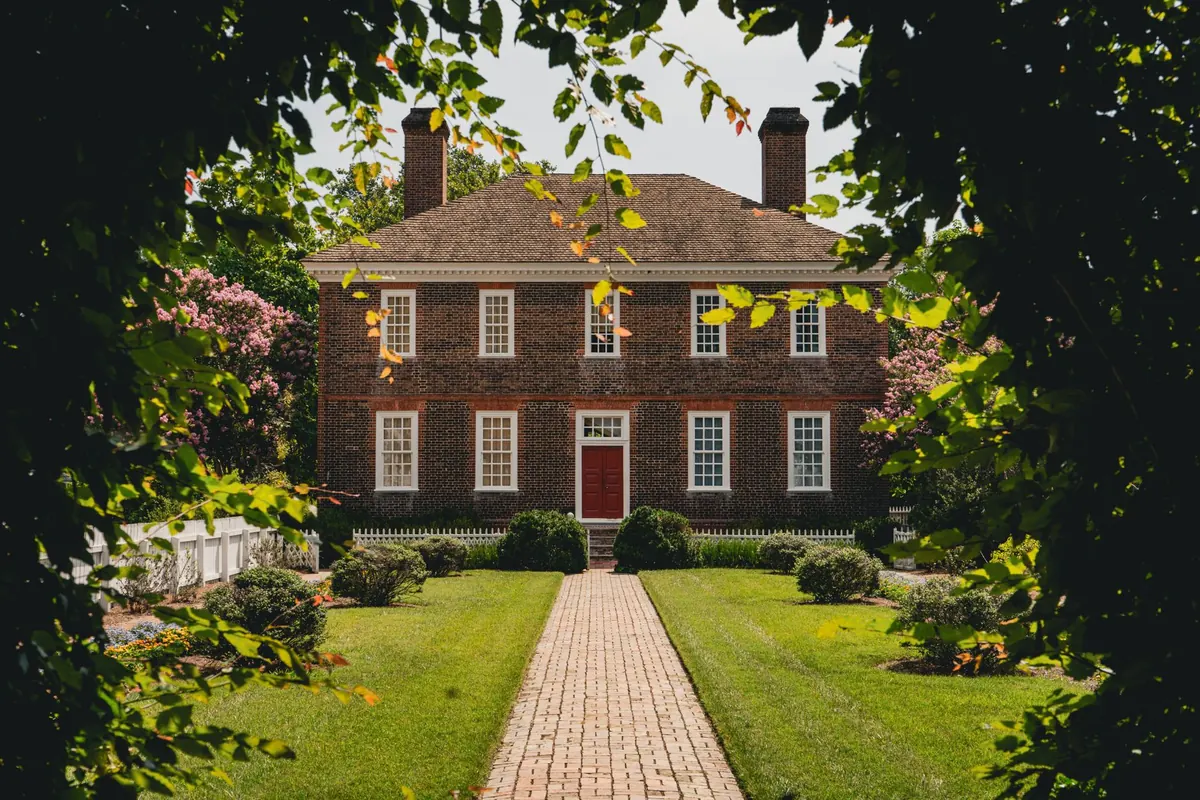
When to Visit Bibury, Castle Combe and Bourton-on-the-Water: A Crowd-Avoidance Calendar
October 10, 2026 - Villages
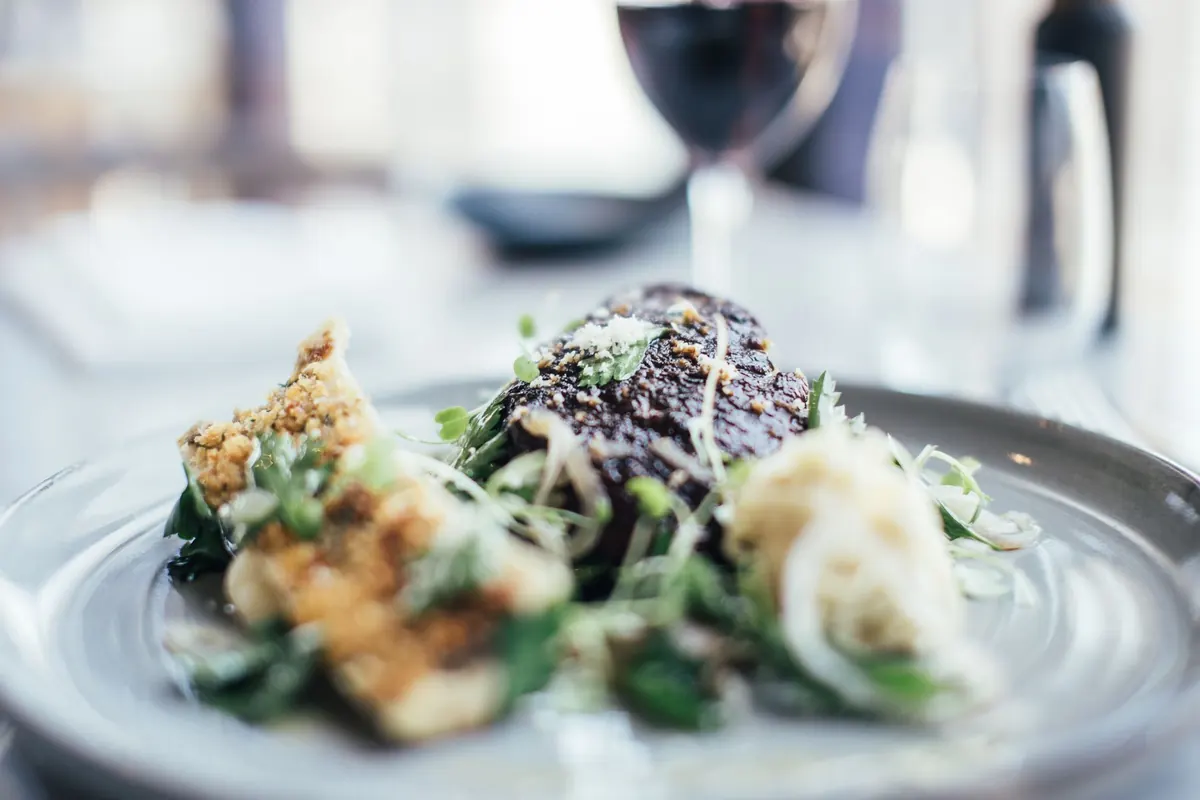
There is a moment, a few minutes after you sit down, when a small plate arrives carrying something the size of a walnut and the whole table leans in. That is the start of a modern British tasting menu, and across the Cotswolds it has become the default format for ambitious cooking — in converted barns, in dining rooms above pubs, in rooms that seat eighteen and no more. If you have never eaten this way, the format can feel like a set of rules nobody handed you. It isn't. Here is how the evening actually unfolds, course by course, and how to get what you want out of it.
Most Cotswold tasting menus run to five, seven or nine courses, with a shorter version at lunch. The number matters less than the shape. A good menu is an arc: cool, sharp and light at the start, building through warmth and richness in the middle, then easing into something sweet and small at the end. Your palate has a limited attention span, and the kitchen knows it.
The sequence usually goes something like this: snacks, bread with cultured butter, a vegetable or raw fish course, a fish course, a meat course, perhaps cheese, a pre-dessert, a dessert, then petit fours with coffee. That is a template, not a law. Some chefs work in three movements instead of nine; some swap the fish for game in autumn. Season drives everything. Spring brings asparagus, wild garlic and lamb; late autumn brings grouse, mushrooms and orchard fruit.
Expect small portions and a great many of them. The total amount of food is usually more than a three-course dinner, just delivered in a different rhythm. And watch the vegetable courses — many kitchens put more technique into a single beetroot or celeriac course than into the beef.
Snacks arrive before you have properly settled, often on a slate or in a small bowl, and are eaten in one or two bites. They are designed to be intense rather than filling. Then bread, which is frequently the best thing on the table and frequently the reason people are full by course four. Take one piece, not three.
This is the heart of the menu. A vegetable or raw fish course, then fish, then meat. Sauces are where the work shows: a reduced stock, a fermented element, something sharp cut through something rich. Servers will explain each plate; listen for the two or three ingredients that matter and let the rest wash over you. If a course arrives and you genuinely cannot eat it, you may decline it — no kitchen will be offended.
A pre-dessert is a small, sharp, usually cold course that resets your palate before the real pudding. It is not the dessert. Then dessert, then petit fours — which often appear after you have asked for the bill. Stay seated for them. They are part of the menu, and they are usually worth the extra ten minutes.
Menus are often presented at the start and then taken away so you are not reading ahead. Photograph the card if you want to remember what you ate.
Say it at booking, in writing, and be specific. "Gluten free" is less useful than "coeliac — cannot have wheat, barley or rye." "No shellfish" is less useful than "shellfish allergy, including stock and oyster sauce." A tasting menu is a fixed sequence, so every substitution has to be planned in advance and cooked alongside everything else.
Vegetarian menus are now genuinely good in most serious Cotswold kitchens. Vegan menus are more achievable than they were, but they still need warning. Confirm your requirements again two days before, by phone or email. A good kitchen would far rather hear about it in advance than discover it when you sit down.
If your allergy is severe, ask directly whether the kitchen can control cross-contact in a shared space, and make your own judgement on the answer. For medical decisions about what you can safely eat, speak to your doctor or dietitian rather than relying on a restaurant's reassurance.
A full flight might mean five or six glasses across two and a half hours. That is manageable for many people and too much for plenty of others. Both are fine, and there are ways to shape it.
Ask for half-pours if the restaurant offers them — many do, and they are rarely advertised. Share one flight between two people and order a second glass of whatever you love best. Ask the sommelier to skip the sweet wine at the end, or to bring it only with the dessert itself. Most pairings are designed for two or three sips per course, so leaving half a glass is not rudeness; it is pacing.
Alternatives have improved enormously. Non-alcoholic pairings built on verjus, kombucha, shrubs and teas are now taken seriously rather than grudgingly. If you would rather drink one good bottle slowly than six small glasses quickly, say so and ask for it to be poured in stages alongside the menu. Keep water going throughout — still or sparkling, topped up regularly. It makes the next morning considerably kinder.
Allow two and a half to three hours, and longer for menus of ten courses or more. Cotswold dining rooms are often small, so book well ahead, especially for Friday and Saturday evenings. Deposits and prepayment are common, and cancellation windows are real — typically 48 to 72 hours, after which you may be charged. Check whether service is included before you add a tip.
If you have a train to catch or a babysitter to release, mention it when you book and again on arrival. A good kitchen can move you along politely. And if you are marking something — a birthday, an anniversary — say so at booking. You may get nothing, and you may get something small and lovely.
Above all, treat the menu as a piece of hospitality rather than a test. You are not required to like every course, understand every ingredient or finish every glass. You are required only to turn up curious — and to let the kitchen take it from there.
Photo: Rachel Claire / Pexels
A month-by-month, day-by-day guide to seeing Bibury, Castle Combe and Bourton-on-the-Water before the coaches arrive...
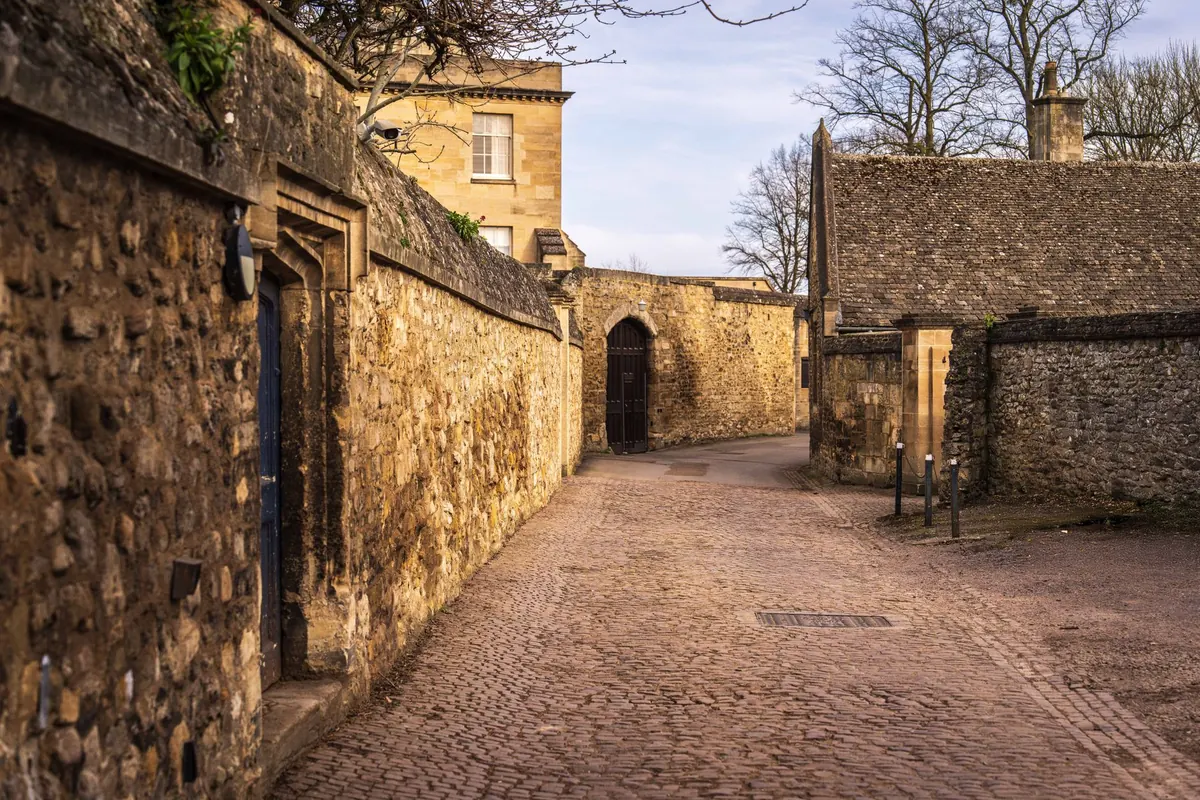
Northern, central or southern Cotswolds? A practical comparison of the three village clusters, with honest advice on...
Copyright © 2026 Noble Cotswold. All Right Reserved.