When to Visit Bibury, Castle Combe and Bourton-on-the-Water: A Crowd-Avoidance Calendar
October 10, 2026 - Villages
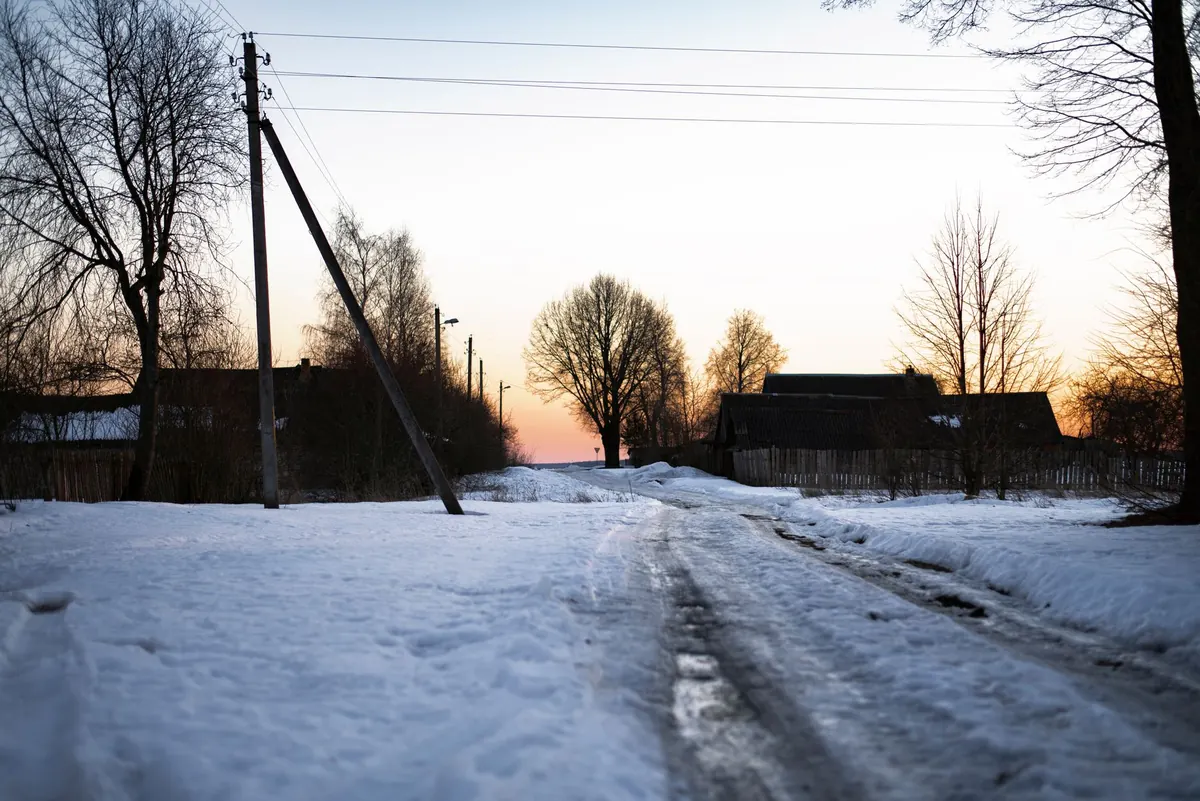
Arlington Row at eight in the morning, with mist still sitting on the River Coln and nobody on the footpath, is a very different place from Arlington Row at eleven on a bright August day, when the lane is shoulder to shoulder and every photograph has a stranger in it. The bridge at Castle Combe and the low arches over Bourton's Windrush behave exactly the same way. The villages never change. The timing does.
What follows is a working calendar for the three most photographed villages in the Cotswolds: the months worth aiming for, the weekdays that genuinely work, and the hours when you can have the place almost to yourself.
Bibury is the smallest and the most easily overwhelmed. The draw is Arlington Row, a short terrace of former wool-workers' cottages, with Rack Isle opposite and the trout farm just beyond. The stage is tiny: one lane, one footbridge, very little parking. When a coach party lands, it shows within seconds.
Castle Combe sits in a valley in Wiltshire. Visitors park on the hill and walk down past the Market Cross to the bridge over By Brook. That walk works in your favour — it thins people out — but the bridge itself is the pinch point. One local variable worth checking: Castle Combe Circuit nearby runs track days and race meetings, and on those weekends the approach roads and car parks fill with cars that have nothing to do with the village.
Bourton-on-the-Water is a proper working village with shops, cafés, the Model Village, Birdland, the motor museum and a wide green along the river. It handles volume better than the other two, and the row of low stone bridges in the centre is the funnel where everyone collects. It also has the best of the practical stuff: real car parks, toilets, somewhere to eat when it rains.
March and November are the quietest months that still feel like a day out. Light is soft, the villages look superb in low sun, and you will often be the only person on the footbridge at Bibury. Days are short, so plan around a 4pm dusk rather than a 9pm one.
Late September and October come next: autumn colour, fewer coaches, and a gentler pace. Watch the half-term week at the end of October, which behaves like a summer weekend.
January and February are the emptiest of all. Some cafés and attractions close or keep reduced hours, and Bourton's paid attractions often shut for maintenance, so check before you travel if a specific place is the reason for the trip.
May and June are the loveliest weather, which is precisely why the bank holidays are brutal. Midweek in either month is close to perfect. July and August are busy every day, because school holidays make every day feel like a Saturday; treat those months as dawn-and-dusk territory only. April is fine outside the Easter fortnight, and December is quiet midweek but picks up sharply on Christmas-shopping weekends.
Tuesday, Wednesday and Thursday are the sweet spot in all three villages. Monday still carries the tail of the weekend, particularly on long weekends. Friday mornings are usually calm, but the afternoon builds quickly.
Saturdays and Sundays are the busiest days in the Cotswolds, with the crush running roughly from 10.30am to 3.30pm. If a weekend is your only option, arrive before 8.30am or come after 4.30pm — the difference is remarkable. A Sunday evening in June at Bourton, when the day-trippers have gone and locals are walking dogs along the Windrush, is one of the nicest hours the Cotswolds offers.
Go between 7.30am and 9am. Arlington Row faces roughly east, so early light catches the stone and the reflections in the Coln. After 5pm in summer is the second window, though the light is behind the cottages by then. Between 10am and 4pm, expect the lane to be full.
The valley holds shade longer in the morning, which suits soft, even photographs. Arrive before 9am, walk down from the car park, and you may have the bridge to yourself. In summer, the last hour before sunset is the other option — the light comes down the valley and the day-trippers have driven home.
Before 9.30am and after 6pm. The central green and bridges empty out first; the riverside paths heading away from the middle stay calm even at 1pm, so if you arrive at midday, walk five minutes upstream and the crowds thin considerably. Late afternoon light on the low bridges is worth waiting for.
Weather is the most underrated crowd-avoidance tool. A wet Tuesday in April can be quieter than a dry Saturday in January, and drizzle suits these villages anyway: wet stone, empty lanes, a pub with a fire. Grey skies also give photographers flat, kind light instead of harsh midday contrast.
Check three things before you commit to a date: school term dates for your region, the Castle Combe Circuit calendar, and any event listing for Bourton, which hosts fairs and functions on the green through the year. Any one of them can turn a quiet Wednesday into a busy one.
Base yourself nearby and treat each village as a separate early morning. One village at dawn per day beats trying to tick off all three between ten and four. Start with Bibury, which suffers most from late arrivals, then Castle Combe the following morning, then Bourton in the evening, when the green clears and the light is at its best.
Book accommodation and a table for lunch rather than dinner; a 2.30pm sitting misses the lunchtime rush entirely, and you can be back out for the golden hour. If you only have one day, pick a Tuesday or Wednesday in late September, arrive at 7.30am, walk, eat late, and stay until the coaches have gone home. That is the Cotswolds as it is meant to be seen.
Photo: Vitali Adutskevich / Pexels
Northern, central or southern Cotswolds? A practical comparison of the three village clusters, with honest advice on...
A month-by-month guide to when Cotswold historic houses, gardens and estates open, helping visitors plan around...
Copyright © 2026 Noble Cotswold. All Right Reserved.